How many hikes to plan: Plan four to six hikes in total, spread across two or three regions. That number gives you one major multi-day route or a pair of hut stays plus several day walks, and leaves rest days for the weather delays that happen constantly here. More than that and you spend the trip driving between trailheads, which costs more in fuel than any entry fee.
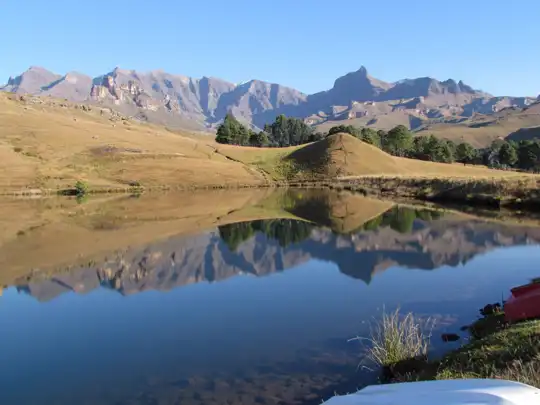
How to prioritize: Choose by style. If you have little money and only a week, prioritize
day hikes near Cape Town: no hut bookings, no car needed, tiny costs. If you want solitude and a night in the wild, put the
Drakensberg first and accept the rental car. If you like comfort and a structured experience, pick one
hut-based coastal or forest trail, booked early. Skip guided walks in big game reserves unless wildlife is your …
read more 👉 How many hikes to plan: Plan four to six hikes in total, spread across two or three regions. That number gives you one major multi-day route or a pair of hut stays plus several day walks, and leaves rest days for the weather delays that happen constantly here. More than that and you spend the trip driving between trailheads, which costs more in fuel than any entry fee.
How to prioritize: Choose by style. If you have little money and only a week, prioritize day hikes near Cape Town: no hut bookings, no car needed, tiny costs. If you want solitude and a night in the wild, put the Drakensberg first and accept the rental car. If you like comfort and a structured experience, pick one hut-based coastal or forest trail, booked early. Skip guided walks in big game reserves unless wildlife is your priority, because you pay 3 to 5 times the price for a short, slow walk.
What it costs: Budget US$40 to 70 a day for an independent hiking trip: hostel dorm or basic guesthouse US$15 to 30, self-catered food US$10 to 15, and a share of a car. Rental starts around US$20 to 35 a day, plus fuel of roughly US$0.90 to 1.10 a liter. Park entry for day hikes is usually US$3 to 12, while Table Mountain National Park charges about US$20 to 25 per visitor per day. Mountain hut or camp fees on multi-day trails run US$10 to 40 a night, and permits for the Drakensberg are modest, around US$5 to 10. Local guides cost US$25 to 60 a day, and they are worth paying on routes with confusing fog or known crime risk. The cable car on Table Mountain costs around US$25 to 30 one way if you want to skip the ascent, and it is not needed.
Costs and delays that catch people out: Hut trails sell out 6 to 11 months ahead for the December holidays, so book the moment your dates are fixed and not after buying flights. Cable cars and trails close in wind, so keep a spare day and never prepay a nonrefundable tour. Fuel stations are sparse in rural areas; fill the tank when it falls below half. Card payments fail at remote gates, so carry US$30 to 50 in rand for fees and tips.
Safety: Muggings have occurred on popular trails near Cape Town, especially on quiet routes and early mornings. Hike in groups of three or more, leave valuables at your accommodation and ask your host or the park office which paths are currently safe. Never leave anything visible in a parked car at trailheads, where break-ins are common; pay a local car guard a small tip of about US$0.50 to 1. Weather turns fast, so carry a waterproof, a warm layer and a headlamp even on short walks. Register at the park office or with your accommodation before remote walks and pack a charged phone with offline maps, since mobile coverage vanishes in the mountains. In summer, take sun protection and 3 liters of water, and in the Drakensberg carry a sleeping bag rated to freezing in winter.
Cultural considerations: Many trails cross land that belongs to local communities. Greet people you meet with a friendly “hello” or “sawubona” in Zulu areas, ask before photographing anyone and stay on marked paths near homesteads. Tipping guides 10 to 15 percent of the fee is standard. Pay for local guides and drivers directly, since that income matters in rural areas. Rock art in caves is protected and fragile, so do not touch it or light fires beside it.
v2.webp)


 Best Backpacking
.jpg) Hi, I’m Johan (Netherlands 🇳🇱), the creator of TakeYourBackpack. Over the past 3 decades, I’ve backpacked through 90+ countries across six continents, gaining extensive experience with independent travel, long-term trips, and overland routes.
Hi, I’m Johan (Netherlands 🇳🇱), the creator of TakeYourBackpack. Over the past 3 decades, I’ve backpacked through 90+ countries across six continents, gaining extensive experience with independent travel, long-term trips, and overland routes.