×

Peru🇵🇪 | best townsBest 9 towns in Peru

In Peru, the best towns offer a kaleidoscope of experiences that shape your journey. Each town pulses with its own local culture, influenced by geography and history. From the high-altitude charm of Cusco to the coastal vibrancy of Lima, your choice dictates not just the scenery but the entire vibe of your trip.

Backpacking through Peru means navigating diverse regions, each with unique seasonal rhythms. The Andes bring cooler temperatures and traditional festivals, while the Amazon offers a humid, lush backdrop. Understanding these nuances is crucial for independent travelers seeking authentic immersion.

Choosing the right town impacts your budget, safety, and ease of travel. A bustling market in Arequipa might be a feast for the senses, while the tranquility of Huaraz invites reflection. Each option presents distinct opportunities for connection, adventure, and discovery, making your selection a pivotal part of the experience.

By Johan Kruseman 🇳🇱 | Updated June 20, 2026
Explore the best villages in Peru

Why go?Why Travelers Love These Spots

Peru’s towns pulse with a unique rhythm, shaped by a rich tapestry of cultural heritage and geographic diversity. Unlike many countries, Peru offers a blend of Andean traditions and coastal influences, creating a vibrant mosaic that invites exploration. Each town has its own character, reflecting the local pace of life—from the bustling markets to the quiet plazas where time seems to stand still.

Traveling through these towns requires strategic planning. Clustering towns can enhance your experience, allowing for deeper immersion in local customs and culinary delights. However, this comes with trade-offs. The travel time between towns can be significant, often requiring long bus rides or treks through rugged terrain. This can sap energy but also enrich the journey, as the landscapes shift … read more 👉
Peru’s towns pulse with a unique rhythm, shaped by a rich tapestry of cultural heritage and geographic diversity. Unlike many countries, Peru offers a blend of Andean traditions and coastal influences, creating a vibrant mosaic that invites exploration. Each town has its own character, reflecting the local pace of life—from the bustling markets to the quiet plazas where time seems to stand still.

Traveling through these towns requires strategic planning. Clustering towns can enhance your experience, allowing for deeper immersion in local customs and culinary delights. However, this comes with trade-offs. The travel time between towns can be significant, often requiring long bus rides or treks through rugged terrain. This can sap energy but also enrich the journey, as the landscapes shift dramatically from the highlands to the coast.

Peru’s infrastructure varies widely. While major routes are generally well-maintained, some remote towns may present challenges in accessibility. This can limit options but also offers a chance to discover the authenticity of rural life, far removed from the tourist trail. The climatic conditions also play a role; high-altitude towns can be breathtaking yet physically demanding, requiring acclimatization and careful pacing.

Understanding these factors is crucial. The allure of Peru lies not just in its destinations but in the experiences that unfold along the way. Balancing depth of exploration with travel logistics will ensure that the journey remains rewarding. Embrace the challenge, and let the towns of Peru reveal their stories, one step at a time.
Behind the Scenes of Selection
The list of best towns in Peru is created based on charm, local culture, atmosphere, hidden gems, and visitor appeal. If you feel a town is missing in this list, please let us know.

When to go?Timing Your Visit for the Best Experience

Seasonality in Peru shapes the experience of exploring its towns. The country’s diverse geography means that weather varies significantly from one region to another. Generally, the dry season runs from May to September, offering clear skies and pleasant temperatures. This is when towns come alive with festivals and local events, making it the prime time for cultural immersion. However, expect larger crowds and higher prices during this peak period.

Shoulder seasons—April and October—present a compelling alternative. These months often feature milder weather and fewer tourists. Travelers can enjoy a more authentic experience, but be prepared for occasional rain, especially in the highlands. This trade-off can lead to a more intimate connection with local life, as towns are less bustling.

read more 👉
Seasonality in Peru shapes the experience of exploring its towns. The country’s diverse geography means that weather varies significantly from one region to another. Generally, the dry season runs from May to September, offering clear skies and pleasant temperatures. This is when towns come alive with festivals and local events, making it the prime time for cultural immersion. However, expect larger crowds and higher prices during this peak period.

Shoulder seasons—April and October—present a compelling alternative. These months often feature milder weather and fewer tourists. Travelers can enjoy a more authentic experience, but be prepared for occasional rain, especially in the highlands. This trade-off can lead to a more intimate connection with local life, as towns are less bustling.

Rainy season from November to March brings its own challenges. While the landscape flourishes and the air feels fresh, heavy rains can disrupt travel plans. Some towns may become less accessible, and certain events may be canceled. However, this is also when prices drop, making it a budget-friendly option for those willing to embrace the unpredictability.

Local events often dictate the rhythm of life in towns. Festivals celebrating harvests or cultural traditions can transform a quiet village into a vibrant hub. Timing a visit to coincide with these events can enhance the experience, but be aware that accommodations may fill quickly during these periods.

Understanding these seasonal patterns allows for strategic planning. Balancing weather conditions, crowd levels, and local happenings can lead to a more enriching journey through Peru’s towns. Prioritize what matters most—whether it’s avoiding crowds, saving money, or diving into local culture.

town hoppingOptimizing Your Multi-Stop Itinerary

Regional Clustering

To maximize your experience in Peru, group towns by region. Start in the Sacred Valley, where you can soak in the rich culture and stunning landscapes. From there, head to Cusco, the historical heart of the Inca Empire. This route flows naturally, minimizing travel fatigue while immersing you in local character.

Optimal Sequencing

Consider the direction of travel. Moving from the Sacred Valley to Cusco, then to Puno and Lake Titicaca, creates a logical path. Each stop offers unique experiences, from vibrant markets to breathtaking views. Allocate at least two days in each town to absorb the atmosphere without feeling rushed.

Time Management

Typical time needed per stop varies. For cultural towns, two to three days is ideal. For natural wonders, one day may suffice. … read more 👉

Regional Clustering

To maximize your experience in Peru, group towns by region. Start in the Sacred Valley, where you can soak in the rich culture and stunning landscapes. From there, head to Cusco, the historical heart of the Inca Empire. This route flows naturally, minimizing travel fatigue while immersing you in local character.

Optimal Sequencing

Consider the direction of travel. Moving from the Sacred Valley to Cusco, then to Puno and Lake Titicaca, creates a logical path. Each stop offers unique experiences, from vibrant markets to breathtaking views. Allocate at least two days in each town to absorb the atmosphere without feeling rushed.

Time Management

Typical time needed per stop varies. For cultural towns, two to three days is ideal. For natural wonders, one day may suffice. This pacing allows for exploration without the exhaustion of constant movement.

Common Planning Mistakes

Travelers often underestimate travel times between towns. Roads can be winding and slow, especially in mountainous areas. Avoid cramming too many stops into a short timeframe. Instead, prioritize depth over speed.

Trade-offs and Constraints

Balancing speed with depth is crucial. Quick visits can lead to missed experiences. Budget constraints may tempt travelers to skimp on comfort, but investing in a good night’s sleep pays off in energy for exploration. Flexibility is key; plans may shift due to weather or local events. Embrace the unexpected.

Realistic Pacing

Plan for downtime. Allowing for spontaneous adventures or simply relaxing in a local café can enrich the journey. Strategic planning, combined with a willingness to adapt, ensures a rewarding experience across Peru’s captivating towns.

The ListThe Best towns of Peru

1 Aguas Calientes

thermal springs, cloud forest, rail gateway

Arrive by train to a village surrounded by steep jungle slopes, where travelers rest before ascending to Machu Picchu’s archaeological terraces.

2 Paracas

coastal reserve, desert cliffs, marine wildlife

Set out by boat to see sea lions and birds, then hike wind-sculpted dunes and watch the Pacific meet the desert at stark headlands.

3 Nazca

ancient geoglyphs, arid plains, desert airstrips

Fly above mysterious lines etched into the earth, then explore a sunbaked town shaped by archaeological intrigue and dry winds.

peru-city-nazca
© Google |

4 Chachapoyas

cloud forest, pre-Inca ruins, narrow lanes

Wander through misty uplands to reach ancient stone citadels, then return to a town center lined with wooden balconies and quiet plazas.

peru-city-chachapoyas
© Google |

5 Moyobamba

hot springs, orchid markets, upper Amazon

Soak in thermal pools after wandering through bustling stalls, where rainforest plants and orchids fill the air with unfamiliar scents.

peru-city-moyobamba
© Google |

6 Oxa Pampa

Austro-German heritage, dairy farms, pine forests

Sample fresh cheeses and pastries in a cool valley town, surrounded by conifers and timber houses that reflect European migration.

7 Huancavelica

colonial churches, mountain valleys, thermal baths

Climb steep lanes between centuries-old facades, then rest in mineral-rich waters surrounded by peaks and agricultural terraces.

8 Cerro de Pasco

high-altitude mining, cold climate, rugged streets

Experience life at over 4,300 meters, where mining shapes the city’s rhythm and the thin air demands slow, deliberate movement.

9 Ayacuho

Andean plazas, colonial churches, artisan workshops

Experience a highland city where religious festivals fill the calendar and traditional crafts remain central to daily life.

Loading the map 🌍

Expert viewPro Tips for Exploring the Best

Expert Commentary


When diving into the best towns in Peru, think of it as a vibrant tapestry of experiences, each thread representing a unique culture, landscape, and rhythm. Aim for a cluster of about five to seven towns to truly grasp the essence of this diverse country. Too many stops can dilute your experience, leaving you rushed and fatigued. Focus on quality over quantity; savor the moments that matter.

Start with the highlands, where the air is crisp and the culture is rich. Here, towns pulse with local traditions and vibrant markets. The altitude can be a challenge, so pace yourself. Acclimatization is key; give your body time to adjust. Spend a few days soaking in the local customs, tasting street food, and engaging with the community. This is where you’ll find the heart of Peru, … read more 👉

Expert Commentary


When diving into the best towns in Peru, think of it as a vibrant tapestry of experiences, each thread representing a unique culture, landscape, and rhythm. Aim for a cluster of about five to seven towns to truly grasp the essence of this diverse country. Too many stops can dilute your experience, leaving you rushed and fatigued. Focus on quality over quantity; savor the moments that matter.

Start with the highlands, where the air is crisp and the culture is rich. Here, towns pulse with local traditions and vibrant markets. The altitude can be a challenge, so pace yourself. Acclimatization is key; give your body time to adjust. Spend a few days soaking in the local customs, tasting street food, and engaging with the community. This is where you’ll find the heart of Peru, but remember, the higher you go, the more effort it takes to move around.

Transitioning to the coast, you’ll encounter a different vibe. Coastal towns offer a laid-back atmosphere, with fresh seafood and stunning ocean views. However, the infrastructure can be less developed than in the highlands. Bumpy roads and limited public transport can slow you down. Plan your travel rhythm carefully; don’t underestimate the time it takes to get from one place to another. A well-timed bus can save you hours, but be prepared for delays.

In the jungle regions, towns are often gateways to incredible biodiversity. Here, the allure of nature is palpable, but logistics can be tricky. Accessing these towns may require a combination of boat rides and treks. Be ready for the unexpected; weather can change rapidly, impacting travel plans. Prioritize flexibility in your itinerary. This is where you’ll want to embrace the adventure, knowing that the journey is just as rewarding as the destination.

Safety is paramount. While Peru is generally welcoming, some areas have higher crime rates. Stay informed about local conditions and avoid flaunting valuables. Engaging with locals can enhance your experience, but be mindful of cultural sensitivities. Learning a few phrases in Spanish can go a long way in building rapport and showing respect.

Budgeting is another crucial aspect. Costs can vary significantly between regions. In tourist-heavy areas, expect to pay a premium for accommodations and meals. However, venture a bit off the beaten path, and you’ll find local eateries and guesthouses that offer authentic experiences at a fraction of the price. Allocate your budget wisely; prioritize experiences that resonate with you, whether it’s a cooking class, a guided trek, or simply enjoying a sunset over the mountains.

As you plan your journey, consider the rhythm of travel. Some towns are best visited during festivals, where the energy is electric and the community spirit shines. However, these peak times can also mean larger crowds and inflated prices. If you prefer a quieter experience, aim for shoulder seasons when the weather is still pleasant but the tourist influx is lower.

Don’t overlook the importance of downtime. Traveling can be exhilarating, but it can also be exhausting. Schedule moments to relax, whether it’s lounging in a plaza with a good book or enjoying a leisurely meal. This balance will help you recharge and fully appreciate the beauty around you.

Finally, embrace the unpredictability. Traveling in Peru is an adventure, and sometimes the best experiences come from unplanned detours. Whether it’s a spontaneous conversation with a local or stumbling upon a hidden market, these moments often become the highlights of your trip.

In summary, approach your exploration of Peru’s towns with intention. Prioritize a manageable number of stops, stay flexible with your plans, and immerse yourself in the local culture. Each town offers a unique piece of the Peruvian puzzle, and by navigating the challenges with a sense of curiosity and respect, you’ll uncover the true spirit of this remarkable country.

✈️ The backpacker research shortcutPeru Travel Guide

An offline-friendly backpacking guide with optimized travel routes, ranked highlights, transport advice, and the best areas to stay.
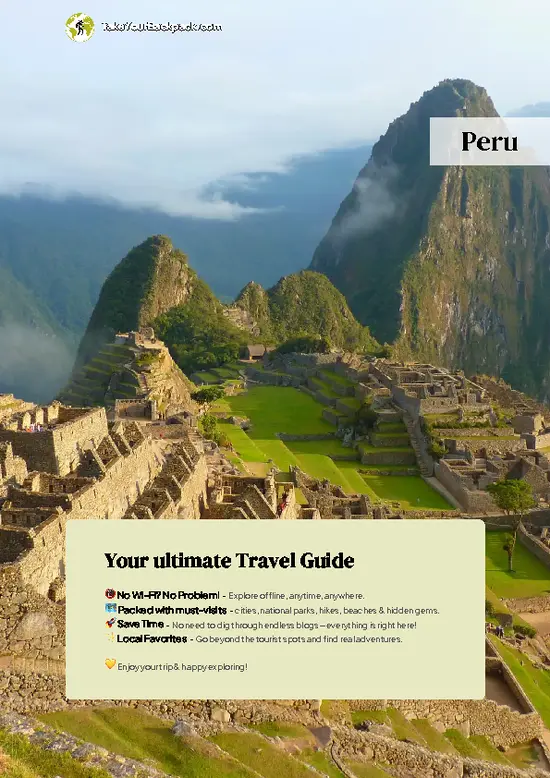
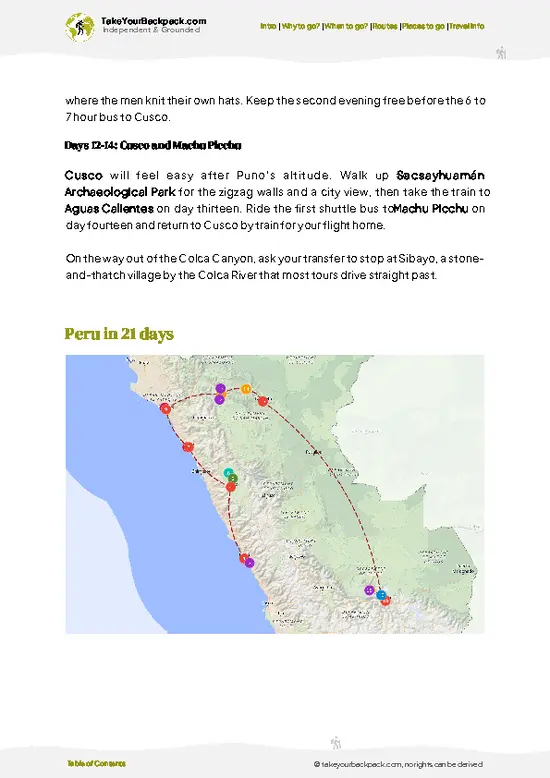
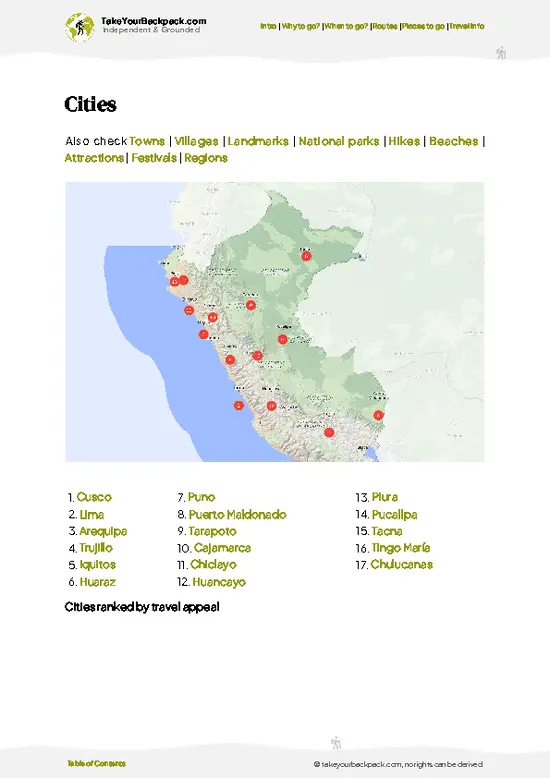
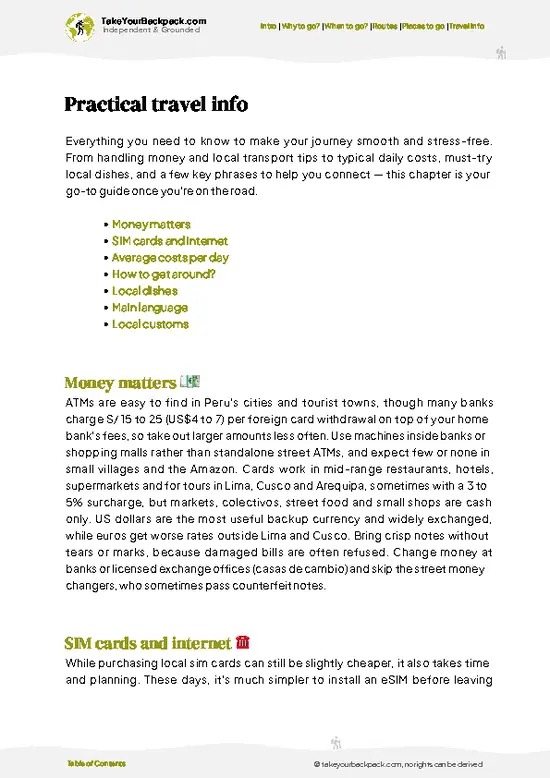
example page 0 from our offline Travel Guide for Peru
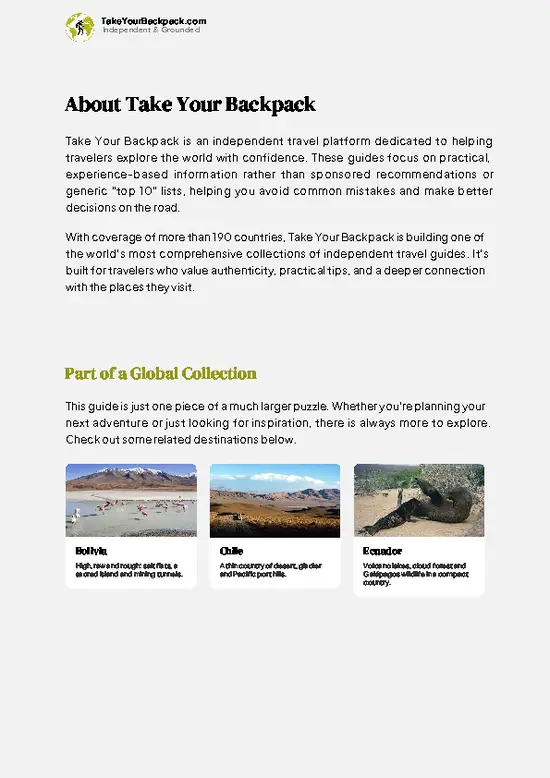
example page 1 from our offline Travel Guide for Peru
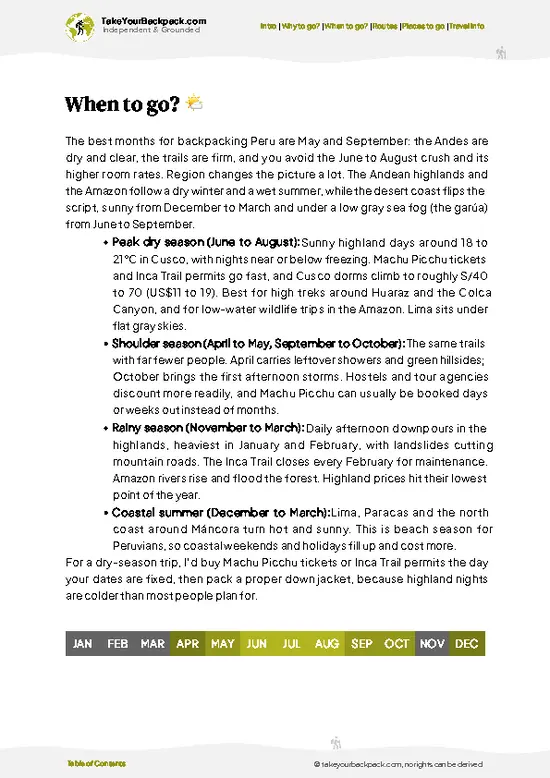
example page 2 from our offline Travel Guide for Peru
example page 3 from our offline Travel Guide for Peru
example page 4 from our offline Travel Guide for Peru
example page 5 from our offline Travel Guide for Peru
example page 6 from our offline Travel Guide for Peru
example page 7 from our offline Travel Guide for Peru
The digital guide (444 pages) contains:
118 highlights, ranked by travel appeal
Optimized 7, 14 & 21-day travel routes
Cities, national parks, landmarks, beaches
How to get around
Offline-friendly for travel without Wi-Fi
👉 Click to see all 30+ guide features

📅 Plan smarter in minutes, not weeks
Month by month travel advice
Festivals & national holidays
Budget expectations

🗺️ Go to the right places, skip the overrated ones
Honest pros & cons of destinations
Top hikes, parks & viewpoints
Lesser-known places most travelers miss
Clear “worth it vs skip it” guidance

🛏️ Travel smoothly without rookie mistakes
Best areas to stay
Transport systems explained simply
Common scams & safety advice
SIM cards, money & practical tips

🌍 Understand the country, not just visit it
Culture & traditions
52 Essential phrases & customs
Festivals worth planning around
Traveler-friendly historical context
Insights that make places more meaningful

📱 Built for real travel conditions
Fully downloadable PDF
Works completely offline
Optimized for phone use
Useful in remote areas & buses
Everything in one place
Save weeks of stressful planning
Get instant access to your full guide. 30‑day money-back guarantee.


By proceeding you agree to our terms.
Sent to your inbox immediately after payment • 100% Secure Checkout
Best Backpacking Travel Advisor 2025 tourism awardBest Backpacking
Travel Advisor
2025
What others say about Take Your Backpack Guides:
⭐⭐⭐⭐⭐
Fantastic, amazing amount of information!
⭐⭐⭐⭐⭐
My goodness this is amazing, it's what I've been looking for hats off too you!
⭐⭐⭐⭐⭐
I think this is absolutely BRILLIANT
⭐⭐⭐⭐
Very complete and informative. It's still missing places, but I gotta to commend you
⭐⭐⭐⭐⭐
This is truly amazing, thank you, can't wait to explore it with my kids!
⭐⭐⭐⭐⭐
Awesome resource, thank you!
⭐⭐⭐⭐⭐
This is amazing! Can't wait to explore the ones I haven't seen
⭐⭐⭐⭐
I love this! Well done, great idea.
⭐⭐⭐⭐⭐
Thanks for taking the time to make this gem!
⭐⭐⭐⭐⭐
This might be the best website I've ever seen.
⭐⭐⭐⭐⭐
Congratulations, and thank you so much for your work; it's incredibly valuable.
⭐⭐⭐⭐
In all seriousness I think you did a great job pointing out the important spots
⭐⭐⭐⭐⭐
10/10 very good
⭐⭐⭐⭐⭐
As someone who's only just starting to visit regularly this is awesome, thank you.
⭐⭐⭐⭐
Thank you very much! I'm going to visit my dad, it's going to be very useful!
⭐⭐⭐⭐⭐
This is really cool! We'll be travelling for the first time and this definitely come in handy.
⭐⭐⭐⭐⭐
You are now our minister of culture, congratulations 👨‍💼
⭐⭐⭐⭐⭐
Just wanted to tell you that this is a pearl! Going to follow your recommendations.
⭐⭐⭐⭐⭐
This is so cool. I'll definitely be using the resource for my travels soon.
⭐⭐⭐⭐⭐
This is very impressive! Good work.
⭐⭐⭐⭐⭐
This is an amazing and informative site. Very well done!

🛏️ Where to stay?Best Places to Stay in Peru

Yes — Peru has abundant hostels and budget accommodation across cities and tourist routes, with the strongest concentrations in Miraflores and Barranco (Lima), Cusco and San Blas, Sacred Valley towns like Ollantaytambo and Pisac, Arequipa historic center, and northern beach towns such as Máncora.
Miraflores/Barranco are safer with great food, beach access and transport links but pricier; Cusco/San Blas put you next to train departures to Machu Picchu and lively nightlife but are crowded and demand altitude acclimatisation; the Sacred Valley is quieter and cheaper with direct ruin access but has fewer late-night services and limited transport options.
Arequipa’s Cercado gives a compact, safe … read more 👉
Yes — Peru has abundant hostels and budget accommodation across cities and tourist routes, with the strongest concentrations in Miraflores and Barranco (Lima), Cusco and San Blas, Sacred Valley towns like Ollantaytambo and Pisac, Arequipa historic center, and northern beach towns such as Máncora.
Miraflores/Barranco are safer with great food, beach access and transport links but pricier; Cusco/San Blas put you next to train departures to Machu Picchu and lively nightlife but are crowded and demand altitude acclimatisation; the Sacred Valley is quieter and cheaper with direct ruin access but has fewer late-night services and limited transport options.
Arequipa’s Cercado gives a compact, safe colonial base with good long-distance buses but less backpacker nightlife, while northern beach towns offer cheap surf and party hostels yet can be seasonal, have variable infrastructure and less reliable transport connections.

If you enjoy meeting fellow travelers, consider choosing hostels with high ratings for atmosphere. On the other hand, if you prefer having your own space, a hotel might be a better option.

PeruExplore Peru

👋 Meet the founderWho’s Behind Take Your Backpack?

Johan, backpacker and founder of TakeYourBackpackHi, I’m Johan (Netherlands 🇳🇱), the creator of TakeYourBackpack. Over the past decade, I’ve backpacked through 80+ countries across six continents, gaining extensive experience with independent travel, long-term trips, and overland routes.

This site is built on a combination of firsthand travel experience and carefully curated insights from other backpackers. Many guides are based on places I’ve personally visited, while others bring together tips, observations, and practical advice shared by trusted travelers I’ve met along the way.

The goal is to provide realistic, experience-driven guidance — not generic itineraries — so you can explore destinations with better context, clearer expectations, and more confidence.

Get full Peru guide •
Instant download • 118 highlights • Full Offline guide