×
Bolivia🇧🇴 | 14 days itinerary

How to Spend 14 Days in Bolivia

By Johan Kruseman 🇳🇱 | Updated May 6, 2026
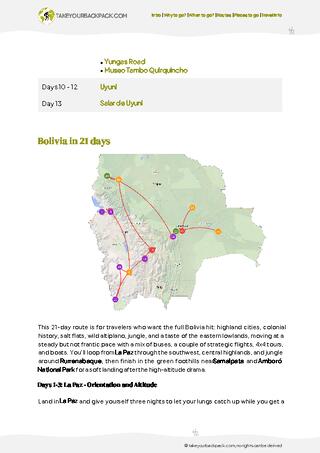
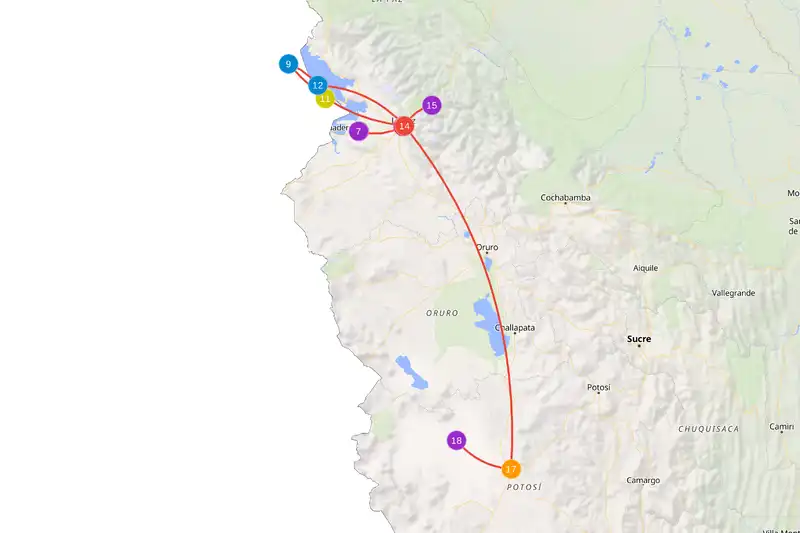
This 14-day itinerary is for travelers who want a balanced first trip to Bolivia: a mix of highland cities, pre-Columbian history, and the salt flats, moving at a moderate pace using domestic buses, a couple of short flights if you like, and one classic 4x4 tour. You’ll connect La Paz, Lake Titicaca, and Uyuni into a loop that feels adventurous but still leaves breathing room for altitude and culture shocks.

Days 1-3: La Paz - High-Altitude Culture Shock

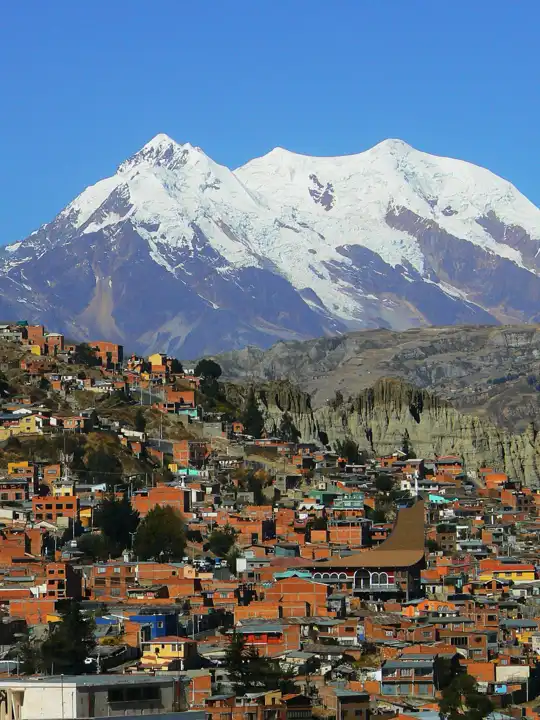
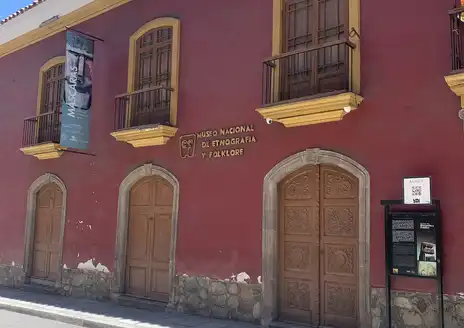
Start in La Paz, where the city spills down a canyon and the cable cars float overhead like a sci-fi metro, and give yourself three nights to adjust to the altitude and get a feel for urban Bolivia. Use your first full day to ride the teleférico lines, wander the markets, and visit the Museo Nacional de Arte for a sharp intro to Bolivian art, then dive into the Museo Nacional de Etnografía y Folklore to understand the cultures behind the textiles, masks, and rituals you’ll see across the country. With a third day, you can add the quirky … read more 👉
This 14-day itinerary is for travelers who want a balanced first trip to Bolivia: a mix of highland cities, pre-Columbian history, and the salt flats, moving at a moderate pace using domestic buses, a couple of short flights if you like, and one classic 4x4 tour. You’ll connect La Paz, Lake Titicaca, and Uyuni into a loop that feels adventurous but still leaves breathing room for altitude and culture shocks.

Days 1-3: La Paz - High-Altitude Culture Shock

Start in La Paz, where the city spills down a canyon and the cable cars float overhead like a sci-fi metro, and give yourself three nights to adjust to the altitude and get a feel for urban Bolivia. Use your first full day to ride the teleférico lines, wander the markets, and visit the Museo Nacional de Arte for a sharp intro to Bolivian art, then dive into the Museo Nacional de Etnografía y Folklore to understand the cultures behind the textiles, masks, and rituals you’ll see across the country. With a third day, you can add the quirky Museo de la Coca for context on the leaf that underpins so much Andean life, or simply slow down with long café stops and neighborhood walks so your body catches up to the altitude before you head higher.

Days 4-5: Tiwanaku and the Altiplano Past

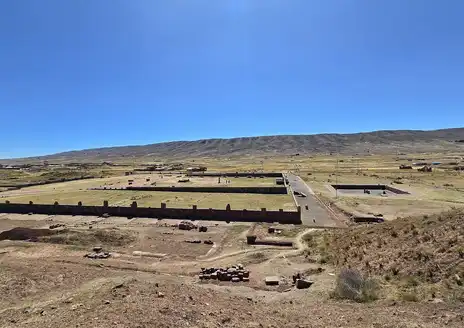
From La Paz, take a day trip out to the Tiwanaku Archaeological Site and its core ruins at Tiwanaku, where you’ll walk through sunken courtyards, monolithic gateways, and carved stone heads that predate the Inca by centuries. Spending a full day here instead of a rushed half-day means you can actually listen to the guides’ theories, wander the on-site museums, and sit quietly among the stones long enough to feel the scale of what used to be one of the Andes’ great power centers. Use the second day as a flex day back in La Paz to rest, shop for warm layers, or squeeze in the Museo de Metales Preciosos if you’re into pre-Columbian metalwork, keeping the pace humane before heading to the lake.

Days 6-8: Lake Titicaca, Copacabana, and Isla del Sol

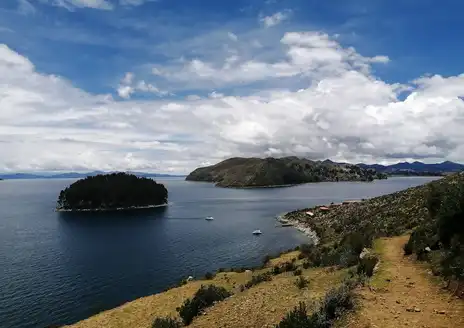
Travel by bus along the shore of Lake Titicaca to the lakeside town of Copacabana, where you’ll spend a night soaking up the slower rhythm and walking down to Copacabana Beach for sunset over the water. The next morning, catch a boat to Isla del Sol, then hike the island’s ridgeline trails listed as Isla del Sol (hike) while visiting the Isla del Sol Archaeological and Sacred Sites that dot the hillsides, giving you a full day of walking between tiny villages, terraces, and Inca-era spots with huge mythic weight. With a second night split between Copacabana or the island, you can slow down, watch the stars over the lake, and actually feel the altitude and silence instead of just racing back to La Paz the same day.

Days 9-11: Back to La Paz and Down the Yungas Road

Return to La Paz for another night to reset, then dedicate a full day to the legendary Yungas Road, whether you ride it by bike or just travel by vehicle to appreciate the drop from high-altitude puna to lush cloud forest. This shift from cold, thin air to humid greenery in a single day is one of Bolivia’s most dramatic transitions, and giving it a full day keeps it fun instead of exhausting. Use the following morning for a last wander through the city or a quick visit to the Museo Tambo Quirquincho if you want more local history, then catch an overnight bus or short flight south to Uyuni so you arrive ready for the desert rather than wrecked from back-to-back travel days.

Days 12-14: Uyuni and the Salt Flats Finale

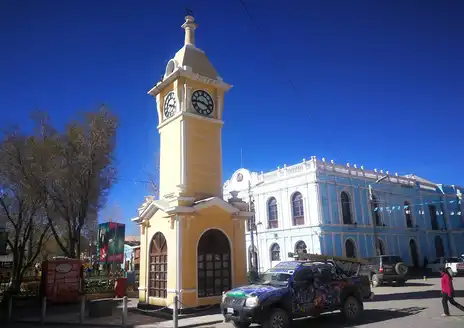
Base yourself in Uyuni for three nights to run a 2-3 day 4x4 tour out onto Salar de Uyuni, tailoring the length to your energy and budget while still making sure you get at least one sunrise or sunset on the flats. Even if you don’t push all the way to Laguna Colorada on this trip, you’ll have time for the classic salt-flat highlights, islands, and maybe a night in a salt hotel, plus a final evening back in town to regroup before leaving Bolivia. Ending here means your last memory of the country is that endless white horizon and the feeling that you’ve seen both its urban heart and its wild edges in a compact, doable loop.

My favorite memory from this route is watching La Paz’s lights flicker on from a cable car at dusk, knowing that in a few days I’d be standing on the edge of Lake Titicaca and then out on the salt flats with the same sky overhead.
Loading the map 🌍
film
0
0
0a
La Paz
Pixabay
film
1
1
1a
Museo Nacional de Arte
film
2
2
2a
Museo Nacional de Etnografía y Folklore
film
3
3
3a
Museo de la Coca
film
4
4
4a
Museo de Metales Preciosos
film
5
5
5a
Tiwanaku Archaeological Site
film
6
6
6a
Tiwanaku
Familia Nómade
film
7
7
7a
Lake Titicaca
Spca663 Little B
film
8
8
8a
Copacabana
Jesús C
film
9
9
9a
Copacabana Beach
film
10
10
10a
Isla del Sol Archaeological and Sacred Sites
film
11
11
11a
Yungas Road
Dash Cam International
film
12
12
12a
Uyuni
film
13
13
13a
Salar de Uyuni
Pixabay

🛏️ Where to stay?Itinerary Summary

✈️ The backpacker research shortcutBolivia Travel Guide

An offline-friendly backpacking guide with optimized travel routes, ranked highlights, transport advice, and the best areas to stay.
example page 0 from our offline Travel Guide for Boliviaexample page 1 from our offline Travel Guide for Boliviaexample page 2 from our offline Travel Guide for Boliviaexample page 3 from our offline Travel Guide for Boliviaexample page 4 from our offline Travel Guide for Boliviaexample page 5 from our offline Travel Guide for Bolivia
The digital guide (305 pages) contains:
82 highlights, ranked by travel appeal
Optimized 7, 14 & 21-day travel routes
Best neighborhoods to stay
How to get around
Offline-friendly for travel without Wi-Fi
👉 See all 30+ guide features

📅 Plan smarter in minutes, not weeks
Month by month travel advice
Festivals & national holidays
Budget expectations

🗺️ Go to the right places, skip the overrated ones
Honest pros & cons of destinations
Top hikes, parks & viewpoints
Lesser-known places most travelers miss
Clear “worth it vs skip it” guidance

🛏️ Travel smoothly without rookie mistakes
Best areas to stay
Transport systems explained simply
Common scams & safety advice
SIM cards, money & practical tips

🌍 Understand the country, not just visit it
Culture & traditions
52 Essential phrases & customs
Festivals worth planning around
Traveler-friendly historical context
Insights that make places more meaningful

📱 Built for real travel conditions
Fully downloadable PDF
Works completely offline
Optimized for phone use
Useful in remote areas & buses
Everything in one place
Save weeks of stressful planning
Get instant access to the full guide directly. 30-day money-back guarantee.


Sent to your inbox immediately after payment • 100% Secure Checkout
Best Backpacking Travel Advisor 2025 tourism awardBest Backpacking
Travel Advisor
2025
What others say about Take Your Backpack Guides:
⭐⭐⭐⭐⭐
Fantastic, amazing amount of information!
⭐⭐⭐⭐⭐
My goodness this is amazing, it's what I've been looking for hats off too you!
⭐⭐⭐⭐⭐
I think this is absolutely BRILLIANT
⭐⭐⭐⭐
Very complete and informative. It's still missing places, but I gotta to commend you
⭐⭐⭐⭐⭐
This is truly amazing, thank you, can't wait to explore it with my kids!
⭐⭐⭐⭐⭐
Awesome resource, thank you!
⭐⭐⭐⭐⭐
This is amazing! Can't wait to explore the ones I haven't seen
⭐⭐⭐⭐
I love this! Well done, great idea.
⭐⭐⭐⭐⭐
Thanks for taking the time to make this gem!
⭐⭐⭐⭐⭐
This might be the best website I've ever seen.
⭐⭐⭐⭐⭐
Congratulations, and thank you so much for your work; it's incredibly valuable.
⭐⭐⭐⭐
In all seriousness I think you did a great job pointing out the important spots
⭐⭐⭐⭐⭐
10/10 very good
⭐⭐⭐⭐⭐
As someone who's only just starting to visit regularly this is awesome, thank you.
⭐⭐⭐⭐
Thank you very much! I'm going to visit my dad, it's going to be very useful!
⭐⭐⭐⭐⭐
This is really cool! We'll be travelling for the first time and this definitely come in handy.
⭐⭐⭐⭐⭐
You are now our minister of culture, congratulations 👨‍💼
⭐⭐⭐⭐⭐
Just wanted to tell you that this is a pearl! Going to follow your recommendations.
⭐⭐⭐⭐⭐
This is so cool. I'll definitely be using the resource for my travels soon.
⭐⭐⭐⭐⭐
This is very impressive! Good work.
⭐⭐⭐⭐⭐
This is an amazing and informative site. Very well done!

🧭 RouteChoose Your Itinerary

Travel Bolivia your way — from a quick highlights trip to a slow-paced adventure.

🙋 FAQFrequently Asked Questions

Short version: yes, Bolivia is very doable to backpack independently if you’re reasonably patient and flexible.

Why it’s easy:
- Cheap and dense bus network between all major towns (La Paz, Sucre, Potosí, Uyuni, Cochabamba, Santa Cruz).
- Loads of hostels, especially in La Paz, Sucre, Uyuni, Rurrenabaque, and around Lake Titicaca.
- Tour agencies everywhere for big-ticket stuff (Salar de Uyuni, jungle, death road, mountain climbs), so you can book in person a day or two before.
- Other backpackers are common on the classic loop, so you’re rarely the only foreigner.

Where it gets trickier:
- English is limited; basic Spanish makes life dramatically easier for buses, markets, and cheap guesthouses.
- Transport can be slow, delayed, or canceled due to strikes, landslides, or weather, especially in rainy season.
- Altitude is serious: La Paz, Potosí, Uyuni, and the altiplano can hit you hard if you rush.
- Rural areas and remote trekking (Cordillera Real, Sajama, Apolobamba) require more experience, navigation skills, and sometimes a guide.

How to make it smooth:
- Start in Sucre or Santa Cruz if you want a gentler, lower-altitude entry instead of flying straight into La Paz.
- Keep your itinerary loose; treat dates as guidelines, not promises.
- Use day tours for complex logistics (Uyuni, jungle, death road) and DIY the cities and short hikes.
- Travel during the day when possible; roads are rough and night buses can be tiring.

If you’ve handled places like Peru, Guatemala, or northern India, Bolivia will feel totally manageable solo.
For a first-time backpacker in Bolivia, these are realistic time frames:

1 week (tight but doable):
- Focus on 1–2 hubs only.
- Good combos:
- La Paz (city + day trips) + 3-day Uyuni tour (if you fly or night-bus).
- Sucre + Potosí + a quick hop to Uyuni.
- You’ll be moving fast and skipping the jungle and most hiking.

2 weeks (sweet spot for many budget travelers):
- Classic loop:
- La Paz (3–4 days: city, Valle de la Luna, maybe death road or a day hike).
- Uyuni (3 days: salt flats + lagoons tour).
- Sucre (3–4 days: chill, markets, short hikes, Spanish classes if you want).
- Potosí (1–2 days: mining history, city wander).
- This gives you altitude acclimatization, a mix of culture and landscapes, and some buffer for slow buses.

3 weeks (comfortable, less rushed):
- Everything above plus:
- Lake Titicaca (Copacabana + Isla del Sol, 2–3 days).
- Or Rurrenabaque (3–4 days jungle or pampas tour) if you’re okay with a domestic flight or long bus.
- You can linger in Sucre or La Paz, do a multi-day trek, or take a rest day when the altitude smacks you.

1 month+ (deep dive):
- Add:
- Cordillera Real trekking (2–6 days, e.g., Condoriri, Takesi, or longer routes).
- Sajama National Park (volcano views, hot springs, high-altitude villages).
- Cochabamba and Torotoro National Park (caves, canyons, dinosaur footprints).
- This is where Bolivia shifts from “trip” to “temporary home base,” especially if you take Spanish classes in Sucre.

If you’re on a long South America trip, 2–3 weeks is the best balance of cost, variety, and not burning out on buses.
You absolutely do not need a car in Bolivia; in fact, most backpackers never touch a steering wheel here.

Main options:
- Long-distance buses: The backbone of travel. They’re cheap, frequent, and connect almost every city and large town. Quality ranges from decent semi-cama to very basic. Night buses save money on accommodation but can be cold and bumpy.
- Minibuses and shared taxis (trufis): Great for shorter hops between nearby towns or within cities. They leave when full, so timing is flexible but not precise.
- Domestic flights: Useful for long hauls like La Paz–Rurrenabaque, La Paz–Uyuni, or La Paz–Santa Cruz if you’re short on time or want to dodge brutal bus rides. More expensive than buses but still reasonable compared to many countries.
- Tours with transport included: Salar de Uyuni, jungle trips, death road biking, and some treks bundle all transport, so you just show up at the agency.
- City transport: In La Paz/El Alto, the cable car system (Mi Teleférico) is cheap, safe, and a fun way to cross the city. In other cities, you’ll rely on minibuses and regular taxis.

Practical tips:
- Buy bus tickets at the terminal or from agencies a day in advance for popular routes or weekends; same-day is usually fine for less busy legs.
- Ask clearly about arrival times and road conditions; “8 hours” can easily become 10.
- Keep valuables on you, not in the overhead rack or under the seat.
- Avoid driving yourself unless you’re very experienced with chaotic traffic, rough roads, and high-altitude conditions; it’s more stress than freedom for most travelers.

For a budget backpacker, buses + the occasional flight + tours will cover everything you want to see.
If you’re backpacking Bolivia on a budget, these are the places that earn their spot on almost any itinerary:

1. Salar de Uyuni and the Southwest Circuit
- The salt flats are the headline act: endless white crust, perspective photos, cactus-covered Isla Incahuasi, and surreal sunsets.
- The 3-day tour adds flamingo-filled lagoons, geysers, hot springs, and Mars-like desert landscapes.
- It’s one of the best value “big experiences” in South America; go even if it means cutting something else.

2. La Paz
- Not just a transit hub; the setting in a giant canyon with snow-capped peaks around it is wild.
- Backpacker essentials: cable cars for city views, Mercado de las Brujas (Witches’ Market), cheap local eats, and day trips to Valle de la Luna.
- Adventure add-ons: death road biking, day hikes in the Cordillera Real, or acclimatization before bigger treks.

3. Sucre
- Calm, walkable, and a great place to catch your breath and stretch your budget.
- Whitewashed colonial center, good cafes, and some of the cheapest, most relaxed Spanish schools in South America.
- Easy day trips to local markets and short hikes in the surrounding hills.

4. Potosí
- One of the world’s highest cities, with heavy mining history and stark colonial architecture.
- The mining tours are intense and not for everyone, but even just exploring the city gives you a sense of how silver shaped the continent.

5. Lake Titicaca (Bolivian side)
- Copacabana is the main base; from there you can boat to Isla del Sol for simple hikes and big lake-and-mountain views.
- Cheaper and more low-key than the Peruvian side for many travelers.

6. Rurrenabaque and the Amazon basin (if you have time)
- Jungle or pampas tours from Rurrenabaque are some of the most budget-friendly Amazon experiences in South America.
- Expect wildlife, river trips, and steamy heat that feels like another planet after the altiplano.

If you’re short on time, prioritize: Uyuni + La Paz + either Sucre or Lake Titicaca. Those give you Bolivia’s landscapes, culture, and city life in one compact package.
What to skip depends on your interests, but if you’re short on time and watching your budget, these are the easiest cuts for most backpackers:

1. Extra-big cities beyond what you need
- Santa Cruz: Useful as an entry/exit point and has nightlife and warmer weather, but it’s spread out and less distinct for short-term travelers compared to La Paz or Sucre. If you’re on a tight schedule, fly in/out and move on.
- Cochabamba: Good food and a pleasant city, but not essential unless you’re specifically heading to Torotoro or have extra weeks.

2. Overlapping high-altitude towns
- If you’re already doing La Paz, Potosí, and Uyuni, you don’t need every small altiplano town. Pick a couple with clear reasons (history in Potosí, landscapes in Uyuni) and skip random in-between stops just for the sake of ticking boxes.

3. Too many multi-day treks
- The Cordillera Real and Sajama are incredible, but if you’re not a serious hiker, one good trek or a couple of day hikes is enough. Multiple long treks eat time, energy, and money on guides and gear.

4. Redundant Lake Titicaca time
- If you’ve already done the Peruvian side (Puno, Uros, Taquile, Amantaní), you can shorten or skip Copacabana and Isla del Sol, or just do a quick overnight instead of several days.

5. Long detours for “just okay” sights
- Remote colonial towns or minor ruins that require full-day bus detours are rarely worth it if you only have 1–2 weeks. Focus on places where the payoff matches the travel time: Uyuni, La Paz area, Sucre, Potosí, Titicaca, or the jungle.

General rule: if a place requires a full day of travel each way, it should offer something you can’t easily get elsewhere on your route. In Bolivia, that usually means Salar de Uyuni, the Amazon basin, or a specific trek you’re genuinely excited about. Everything else is optional when the clock is ticking.

🇧🇴 BoliviaExplore Bolivia

Ready to build a truly unique trip? Predefined routes are perfect for first-time visitors, but there is so much more to discover. Whether you are chasing a city trip, pristine national parks, local food scenes, or quiet beaches, pick a category to design your own path.